
Jane Corrie has spent four decades running tables across four regions, and she still reckons the come line is where discipline earns its keep. A craps come bet strategy works best when you treat each marker as a separate wager with its own exit point, not as a blanket commitment that rides every roll. That mindset matters as much as the table itself, because the come bet only pays when the shooter hits your number again before a seven, and the odds you lay behind it are where the real edge sits. If you want a practical read on how the pass and come lines behave before you put chips down, the breakdown at rockpoolcandy.com walks through the basic flow without the usual hype. For a longer look at how the game runs and how to play with your bankroll in mind, the guide on come funziona il craps e come giocare con consapevolezza lays out the same rhythm from a different angle.
Why the come line suits a measured bankroll
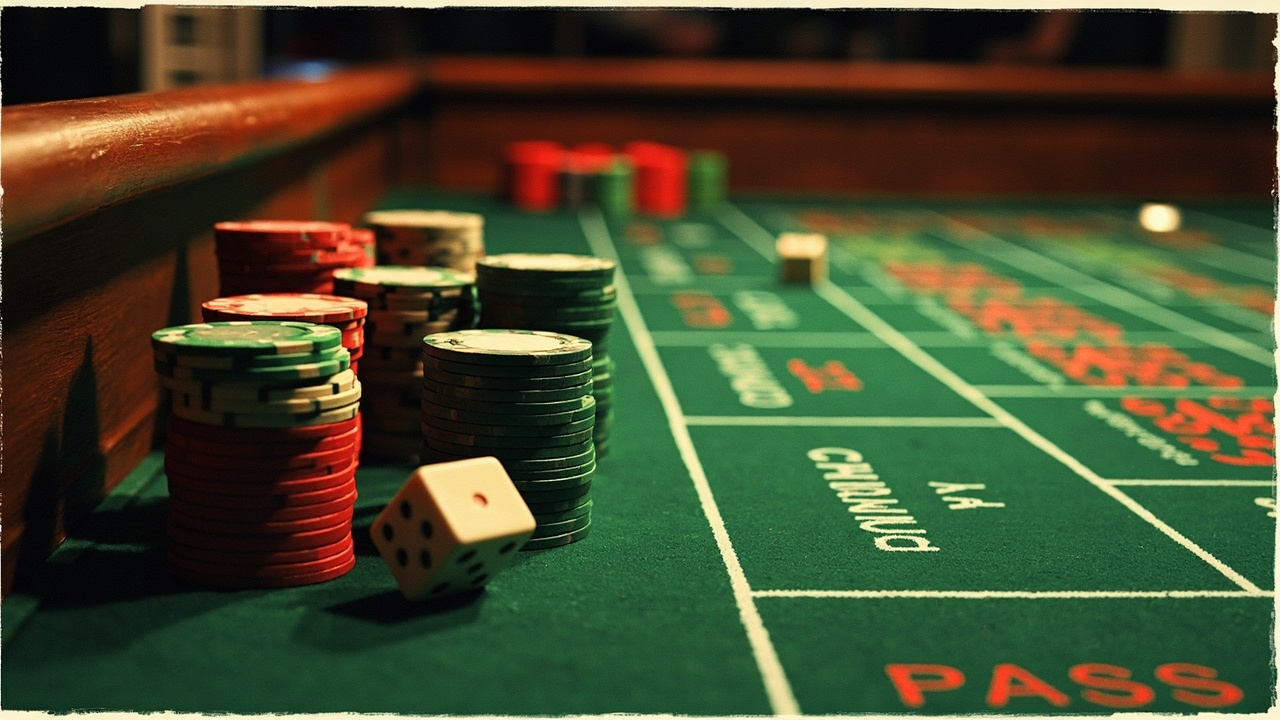
The come bet mirrors the pass line but starts after the point is already set, which means you can enter the action without waiting for a new shooter to establish a number. That flexibility is the core strength of a craps come bet strategy, because you control your entry timing and you can take odds behind each marker at different multiples depending on your comfort. In a busy Melbourne pub or hotel gaming room, the stickman uses a curved stick to push the dice back to the shooter, and that steady rhythm is exactly when a come bet settles into the table flow without forcing you to chase every roll. The trade-off is that come bets sit behind the line until your number repeats, so they can grind through a cold streak if you stack too many markers and refuse to trim them. A sensible approach is to cap the number of active come bets per shooter and to take single or double odds only when your base wager already fits the session limit you set before you buy in. Casino construction can cost billions; Marina Bay Sands cost roughly US$5.5 billion to build, and that scale is a reminder that the house always prices its entertainment carefully, so your edge comes from pace and limits rather than from trying to outguess the dice. Setting time and money limits is the core of responsible play, and that holds whether you are at a local table or comparing how a site structures its cashier. If you want to see how a venue frames its game mix and table limits before you commit, the overview at camillahuey.com/blog/2026/09/18/come-funziona-il-craps gives a measured read on the same mechanics from a player’s perspective.
How the cashier and verification shape your session
A craps come bet strategy only works smoothly when the money side of the table or site does not interrupt your rhythm, so the deposit and withdrawal flow matters more than most punters admit. In Australia, the practical reality is that any licensed operator still has to clear identity checks before you can move funds, and that verification step is not a flaw in the system so much as a licence requirement that keeps the cashier orderly. A well-run cashier lets you move between Australian dollars and the table currency without hidden spreads, and it should show withdrawal limits and processing windows before you place a wager rather than after. The trade-off is that faster withdrawals often come with tighter limits or extra confirmation steps, so you have to decide whether speed or capacity matters more for your session. Sophie Evans, Board Member, Laneway Interactive Media, has noted that players who treat verification as a one-off setup rather than a recurring hurdle tend to keep their bankroll management cleaner, because the money side stops interrupting the game side. That opinion is not a guarantee of smooth payouts, but it is a fair caveat that the cashier is part of the game experience, not a separate admin task. When you are running a come bet strategy, you want the cashier to stay out of the way so your odds bets and take-down decisions stay focused on the dice, not on whether a transfer will clear before the next shooter.rockpoolcandy.com
Where an operator’s view clashes with a player’s instinct
From the pit side, a craps come bet strategy looks like controlled exposure, because each come bet is a separate contract with its own win and lose condition, and the odds behind it are the only part that genuinely shifts the house edge. An operator or shift manager ask us will often argue that players who keep their base wagers small and take modest odds are easier to service across a long shift, since the table stays balanced and the payouts stay predictable. A player or analyst can fairly counter that the same structure feels slow when the dice run cold, and that the come line can tie up chips across several numbers without giving back much action in return. Both views hold weight, because the come bet is genuinely flexible but it is also genuinely patient, and neither side should pretend the dice owe you a hit just because your markers are live. The disagreement is useful precisely because it keeps you honest about why you are at the table in the first place, whether you want a steady session or a quicker run. If you are comparing how different rooms or sites present their table limits and odds allowances, the practical notes at camillahuey.com/blog/2026/09/18/come-funziona-il-craps can help you judge whether their framing matches your own pace. A measured craps come bet strategy does not need to win every argument; it just needs to fit the table, the cashier, and the limits you set before you buy in.Come funziona il craps e come

| Detail | What it means for your session |
|---|---|
| Come bet entry | Starts after the point is set, so you choose when to enter |
| Odds behind | Pays true odds on your number, the main edge lever |
| Stick mechanics | The stickman uses a curved stick to push the dice back to the shooter, keeping the rhythm steady |
| Cashier flow | Verification and currency handling should stay clear before you wager |
| Session limits | Time and money caps are the practical safeguard, not a promise of outcomes |
A solid craps come bet strategy is less about chasing a hot table and more about entering at the right moment, taking odds you can afford, and walking away when your limits are reached. The come line rewards patience, and the cashier rewards preparation, so the two work best when you treat them as part of the same session rather than as separate concerns. If you keep your markers manageable and your verification sorted before you play, the table gives you a clean way to stay in the action without letting every roll dictate your bankroll.